
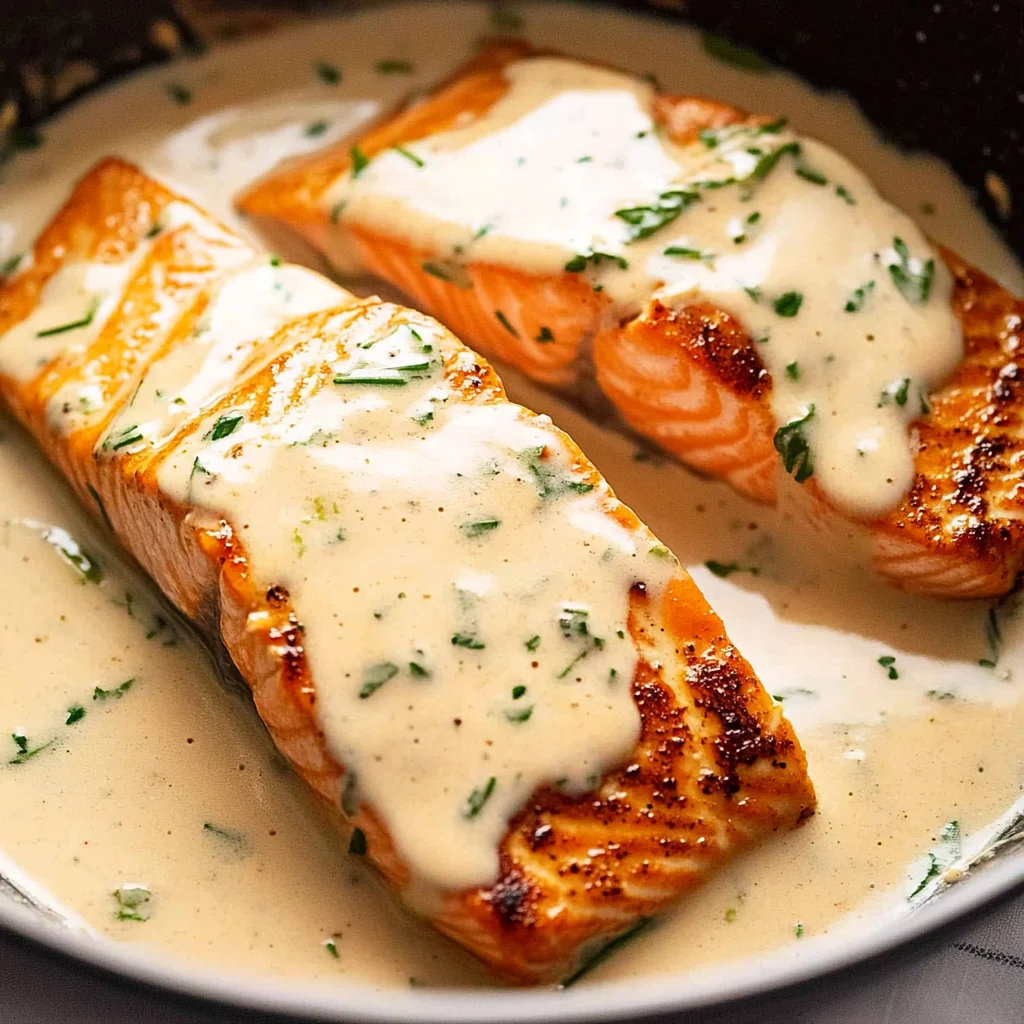

Imagine sinking your fork into perfectly seared salmon, its rich, buttery flavor dancing on your palate, complemented by a luscious sauce that sings of zesty citrus and aromatic herbs. With every bite, the textures meld together in a delightful symphony, creating an experience that’s not just a meal but a celebration of culinary art, perfect for cozy family dinners or festive gatherings.
Growing up, my grandmother would whip up her legendary salmon sauce recipes on special occasions, filling our home with mouthwatering aromas that drew everyone to the kitchen. Each drizzle of sauce was like a warm hug on a plate, promising unforgettable flavors and memories that linger long after the last bite. Whether you’re planning an intimate dinner or looking to impress guests at your next barbecue, these sauces will transform your salmon dish into a standout feast!
Why are salmon sauce recipes a must-try?
This recipe is a game-changer:
- Flavors explode with every bite, thanks to a blend of zesty ingredients.
- Easy to make, it comes together in under 30 minutes—perfect for busy weeknights!
- Versatile, it pairs wonderfully with pasta, rice, or vegetables.
- Crowd-pleasing, impress friends and family with minimal effort.
Transform your dinner routine and savor something truly special!
Salmon Sauce Recipes Ingredients
For the Sauce
- Butter – adds a rich flavor and silky texture to your sauce.
- Garlic – infuses the sauce with aromatic depth; fresh or minced works well.
- Lemon Juice – brightens and balances the flavors, giving a refreshing zing.
- Dill – lends a fragrant, herbal note that perfectly complements salmon.
- Heavy Cream – creates a luscious, creamy consistency that envelops the salmon.
- Salt and Pepper – essential for enhancing all the flavors in your salmon sauce recipe.
Optional Add-ins
- Capers – add a briny touch for an extra layer of flavor if desired.
- White Wine – deglazes the pan while adding complexity to your sauce.
How to Make salmon sauce recipes
1. Gather ingredients. Start by assembling all your ingredients: fresh herbs, cream, lemon juice, and any spices that will elevate your salmon sauce recipes. Freshness is key for vibrant flavors!
2. Melt butter. In a saucepan over medium heat, melt about 2 tablespoons of butter until it begins to bubble and foam. This rich base will add depth to your sauce.
3. Sauté aromatics. Add minced garlic and shallots to the pan, stirring continuously for 2-3 minutes until they become fragrant and translucent. The aroma will be irresistible!
4. Incorporate cream. Pour in 1 cup of heavy cream, whisking gently as it combines with the melted butter and aromatics. Allow it to simmer for about 5 minutes until it thickens slightly.
5. Add lemon juice. Stir in the juice of one lemon and season with salt and pepper to taste. This brightens the sauce beautifully, enhancing those lovely flavors in your salmon sauce recipes.
6. Finish with herbs. Remove from heat and fold in freshly chopped dill or parsley for a burst of freshness right before serving. This adds color and a delightful herbal note!
Optional: Drizzle with additional lemon zest for an extra zing!
Exact quantities are listed in the recipe card below.
Tips for the Best salmon sauce recipes
- Balance Flavors: Aim for a harmony of tangy, sweet, and savory. A splash of lemon or a hint of honey can elevate your salmon sauce recipes.
- Avoid Overcooking: Keep an eye on your sauce while it cooks. Overheating can lead to separation, compromising the texture and flavor.
- Fresh Ingredients: Use fresh herbs and quality oils. This small detail makes a big difference in enhancing the taste of your salmon sauce recipes.
- Taste as You Go: Always sample your sauce while cooking. Adjust seasoning gradually to achieve that perfect finish without overwhelming flavors.
- Pair Wisely: Consider the side dishes when crafting your sauce. A rich sauce complements roasted veggies beautifully; keep balance in mind!
How to Store and Freeze salmon sauce recipes

Room Temperature: Store your salmon sauce recipes at room temperature for no more than 2 hours to maintain freshness and prevent spoilage.
Fridge: Keep your salmon sauce recipes in an airtight container in the fridge for up to 3 days to preserve flavor and quality.
Freezer: Freeze your salmon sauce recipes in a freezer-safe container for up to 3 months. Remember to leave some space for expansion as it freezes!
Reheating: When ready to use, thaw your frozen salmon sauce in the fridge overnight, then gently reheat on the stovetop over low heat, stirring frequently for even warmth.
Salmon Sauce Recipes Variations
Elevate your dish by customizing the sauce to suit your taste preferences and dietary needs.
- Dairy-Free: Substitute coconut cream for heavy cream for a rich, tropical twist. The subtle sweetness of coconut pairs beautifully with salmon.
- Spicy: Add a teaspoon of sriracha or chili flakes to kick up the heat. This bold addition will awaken your taste buds and add a delightful zing.
- Herb-Infused: Mix in fresh dill or basil to enhance the sauce’s flavor profile. These herbs bring brightness and freshness, making each bite feel like spring.
- Citrus Zest: Incorporate lemon or lime zest for a vibrant, zesty lift. The citrus notes create a refreshing contrast that complements the richness of salmon perfectly.
- Garlic Lovers: Stir in minced garlic for an aromatic boost. It adds depth and savory richness that elevates your sauce to new heights.
- Nutty: Drizzle in some tahini or almond butter for a creamy, nutty undertone. This unexpected twist offers a delightful complexity that will surprise your family.
- Smoky: Use smoked paprika or chipotle powder to impart a warm, smoky flavor. This variation gives the sauce an intriguing depth that’s perfect for grilling season.
- Sweet Touch: Add a dash of honey or maple syrup for a hint of sweetness. This balance enhances the overall flavor and beautifully complements the salmon’s natural taste.
Make Ahead Options
Meal prepping is a fantastic way to enjoy delicious salmon sauce recipes without the last-minute rush. You can prepare the base of your sauce—such as blending fresh herbs, garlic, and olive oil—up to 24 hours in advance and store it in an airtight container in the refrigerator. If you’re using cream or yogurt, consider adding it just before serving to maintain the sauce’s creamy texture; this can be done up to 3 days ahead. Simply combine the prepped ingredients in a saucepan over low heat when you’re ready to eat, stirring until warmed through. This approach not only saves time but also enhances the flavors, making your meal effortlessly delightful!
salmon sauce recipes Recipe FAQs
How do I choose the best ingredients for my salmon sauce?
For the freshest flavors, opt for ripe citrus fruits like lemons or limes, which should feel slightly heavy for their size and have a firm skin. When selecting herbs, look for vibrant green leaves without browning. If you’re using garlic, choose bulbs that are plump and firm, avoiding any with soft spots.
What’s the best way to store leftover salmon sauce?
Store your salmon sauce in an airtight container in the refrigerator where it can last for up to 3 days. Make sure it cools to room temperature before sealing it away; this helps maintain its fresh flavor and prevents condensation from forming inside the container.
Can I freeze salmon sauce?
Yes! Freezing is a great option if you want to save your salmon sauce for later. Place it in a freezer-safe container or a heavy-duty zip-top bag, squeezing out as much air as possible. It can be frozen for up to 3 months. Just remember to defrost it in the fridge overnight before using it again; this keeps the texture nice and smooth.
What should I do if my salmon sauce is too thin?
If your sauce turns out thinner than you’d like, don’t fret! You can thicken it by simmering it on low heat for a few extra minutes until some of the liquid evaporates. Alternatively, whisk a bit of cornstarch mixed with cold water into the sauce and cook until thickened—this works wonders!
Are there any dietary considerations I should keep in mind?
Absolutely! If you’re cooking for someone with dietary restrictions, consider using gluten-free soy sauce or tamari if your recipe calls for soy. For dairy-free alternatives, coconut cream makes a lovely substitute that adds richness without compromising flavor. Always check labels to ensure all ingredients meet specific dietary needs.
How can I enhance the flavor of my salmon sauce?
To elevate your salmon sauce, try adding a splash of white wine or a touch of Dijon mustard to deepen its complexity. Freshly cracked black pepper and sea salt can also brighten up flavors beautifully. Experimenting with different herbs like dill or tarragon can create delightful variations—don’t be afraid to make it your own!


Leave a Comment